
Vaginal Infections: Types, Prevention, and Effective Treatment
Common Types of Vaginal Infections
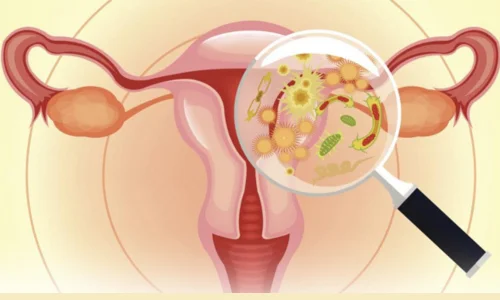
Vaginal infections are disruptions in the natural balance of bacteria and yeast in the vagina, leading to discomfort. The most frequent include bacterial vaginosis (BV), caused by an overgrowth of harmful bacteria; yeast infections (candidiasis) from Candida fungus; and trichomoniasis, a sexually transmitted parasite. BV often presents with thin, grayish discharge and a fishy odor, while yeast infections cause thick, cottage-cheese-like discharge with intense itching. Trichomoniasis may produce frothy, yellow-green discharge. These infections affect millions of women annually and can recur if underlying factors aren’t addressed.
Recognizing Symptoms and Risk Factors
Symptoms vary but commonly include abnormal discharge, itching, burning during urination, redness, swelling, or pain during sex. Risk factors include antibiotic use disrupting good bacteria, hormonal changes during pregnancy or menopause, douching, uncontrolled diabetes, or multiple sexual partners. Poor hygiene, tight clothing, or scented products can exacerbate issues. Recurrent infections may signal immune weaknesses or conditions like HIV. Early recognition prevents complications like pelvic inflammatory disease (PID), which can affect fertility.
Prevention Strategies and Treatment Approaches
Prevention involves wearing breathable cotton underwear, avoiding douching, practicing safe sex, and maintaining good hygiene without harsh soaps. Probiotics, either dietary or supplemental, support vaginal flora balance. Treatment depends on the type: BV and trichomoniasis require antibiotics like metronidazole, while antifungal creams or oral fluconazole treat yeast infections. Over-the-counter options work for simple yeast cases, but persistent symptoms warrant professional evaluation. Dr. Mansha Grover provides targeted therapies and preventive guidance at Motherhood Hospital, Noida, ensuring quick relief and reduced recurrence through comprehensive testing and patient education.