
Urinary Tract Infections (UTIs): Causes, Symptoms, and Relief
Understanding Urinary Tract Infections
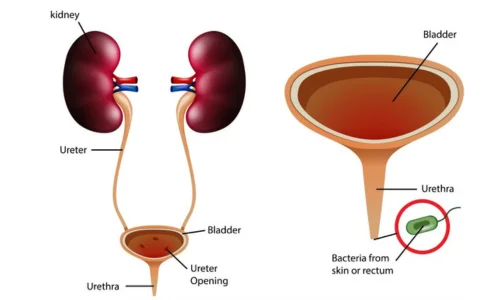
Urinary tract infections occur when bacteria, usually E. coli from the gut, enter the urethra and multiply in the urinary system. Women are more prone due to shorter urethras and proximity to the anus. Infections can affect the bladder (cystitis), urethra (urethritis), or kidneys (pyelonephritis). Recurrent UTIs impact about 20-30% of women, often linked to sexual activity, menopause, or anatomical factors. Untreated, they can lead to serious kidney damage.
Key Symptoms and When to Seek Help
Classic symptoms include a strong, persistent urge to urinate, burning sensation during urination, cloudy or bloody urine, pelvic pain in women, and frequent small-volume urination. Lower UTIs cause discomfort in the bladder area, while kidney infections add fever, chills, nausea, and flank pain. Post-menopausal women may experience incontinence-like symptoms due to estrogen decline thinning urinary tissues. Diabetics or those with catheter use face higher risks.
Treatment and Preventive Measures
Most UTIs resolve with antibiotics like nitrofurantoin or trimethoprim-sulfamethoxazole, prescribed after urine culture tests. Pain relievers and increased fluid intake aid recovery. For recurrent cases, low-dose prophylactic antibiotics, vaginal estrogen creams (post-menopause), or cranberry products may help, though evidence varies. Prevention includes urinating after intercourse, wiping front-to-back, staying hydrated, avoiding irritating feminine products, and wearing loose clothing. Dr. Mansha Grover specializes in diagnosing and managing acute or chronic UTIs, offering personalized plans to prevent complications and promote urinary health at our Noida facility.