Understanding Infertility: Causes, Diagnosis, and Pathways to Parenthood
What Is Infertility and Who It Affects
Infertility is defined as the inability to achieve pregnancy after 12 months of regular, unprotected intercourse for women under 35, or after 6 months for those 35 and older. It affects about 1 in 6 couples globally, with causes split between female factors (around 30-40%), male factors (30-40%), combined issues, or unexplained cases. Primary infertility occurs when no prior pregnancy has been achieved, while secondary refers to difficulty conceiving after a previous pregnancy. Age is a major factor, as female fertility declines significantly after 35 due to reduced egg quantity and quality. At Dr. Mansha Grover’s clinic, we provide compassionate, thorough evaluations to identify underlying issues and guide couples toward effective solutions.
Common Causes and Risk Factors in Women
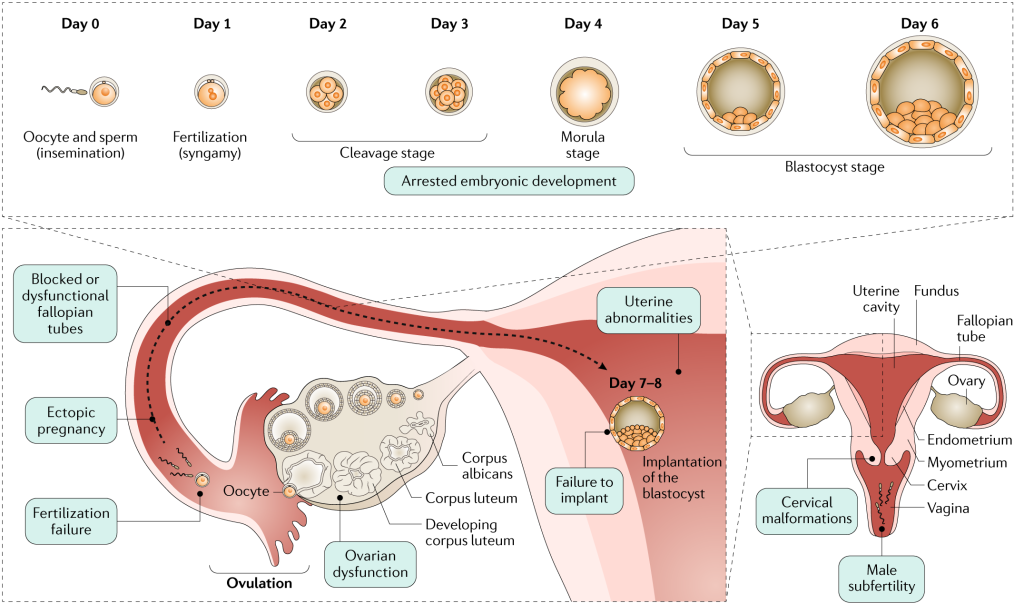
Female infertility often stems from ovulation disorders, the most frequent cause, including polycystic ovary syndrome (PCOS), which disrupts hormone balance and egg release. Tubal blockages from infections, endometriosis, or past surgeries prevent sperm-egg meeting. Uterine issues like fibroids or polyps, premature ovarian failure, and thyroid or prolactin imbalances also contribute. Risk factors include advanced age, smoking, excessive alcohol, obesity, extreme weight loss, stress, and sexually transmitted infections. Endometriosis affects up to 50% of infertile women, causing pelvic scarring. Early diagnosis through history, exams, and tests is key to addressing preventable causes.
Diagnosis and Advanced Treatment Options
Diagnosis begins with tracking ovulation, hormone blood tests, ultrasound for ovarian reserve, and hysterosalpingography to check tubal patency. Laparoscopy may confirm endometriosis. Treatments range from lifestyle modifications—healthy diet, weight management, quitting smoking—to medications like clomiphene or letrozole for ovulation induction. Intrauterine insemination (IUI) places sperm directly in the uterus, while in vitro fertilization (IVF) involves egg retrieval, fertilization, and embryo transfer, often with success rates improving via preimplantation genetic testing. Surgery corrects structural problems. Dr. Mansha Grover specializes in personalized fertility plans, including IVF and minimally invasive techniques, at our Noida facility to maximize chances of conception while supporting emotional well-being.