
Contraception: Empowering Choices for Family Planning
Understanding Contraception and Its Importance
Contraception, or birth control, refers to methods used to prevent pregnancy by interfering with ovulation, fertilization, or implantation. It empowers individuals and couples to plan families, space births, and improve health outcomes. Over 99% effective options exist when used correctly, reducing unintended pregnancies that affect millions globally. Beyond pregnancy prevention, some methods manage heavy periods, acne, or endometriosis symptoms, while others protect against STIs. Choosing the right method depends on lifestyle, health, age, and future fertility plans. At Dr. Mansha Grover’s clinic in Noida, we provide confidential counseling to help patients select safe, suitable options tailored to their needs.
Common Types of Contraceptive Methods
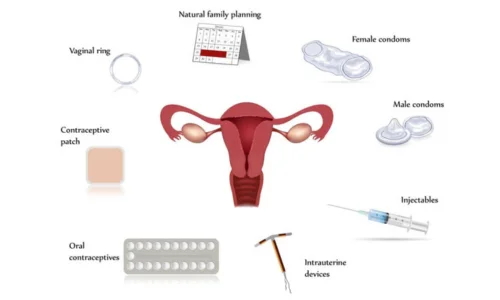
Methods fall into hormonal, barrier, intrauterine, permanent, and natural categories. Hormonal options include combined oral pills (estrogen-progestin), mini-pills (progestin-only), patches, vaginal rings, and injections like Depo-Provera. Long-acting reversible contraceptives (LARCs) such as intrauterine devices (IUDs)—copper or hormonal—and subdermal implants offer over 99% efficacy for years. Barrier methods like male/female condoms, diaphragms, or sponges prevent sperm entry and provide STI protection. Emergency contraception pills or copper IUDs serve post-unprotected sex. Permanent sterilization includes tubal ligation or vasectomy. Each has unique benefits and side effects.
Choosing the Right Method and Professional Guidance
Selection involves considering efficacy, convenience, reversibility, side effects (e.g., mood changes with hormones, spotting with IUDs), and medical history—like avoiding combined pills in smokers over 35 due to clot risks. Couples should discuss preferences openly. Regular check-ups monitor health impacts. Natural methods like fertility awareness tracking cycles require discipline but avoid hormones. Dr. Mansha Grover offers expert consultations at Motherhood Hospital, Noida, including method insertion/removal, side effect management, and switching guidance, ensuring informed decisions for reproductive autonomy and well-being.