Cancer Screening: Early Detection for Women's Health
Importance of Gynecological Cancer Screening
Cancer screening involves tests to detect cancers like breast, cervical, ovarian, and endometrial before symptoms appear, significantly improving survival rates. Early detection can prevent progression—cervical cancer is nearly 100% curable if precancerous changes are found early via screening. Breast cancer mortality reduces by up to 40% with regular mammograms. Risk factors include age, family history, HPV infection, obesity, and genetic mutations (BRCA1/2). Regular screenings empower women to take proactive steps. At Dr. Mansha Grover’s clinic in Noida, we emphasize personalized screening plans based on age, history, and risks for optimal prevention.
Key Screening Tests for Common Cancers
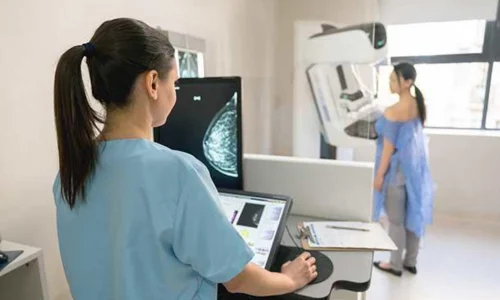
For cervical cancer, Pap smears (every 3 years from age 21-29) or co-testing with HPV (every 5 years from 30-65) detect abnormal cells. Mammography starts at age 40-50 annually for breast cancer, with earlier for high-risk women; clinical breast exams complement self-exams. Ovarian cancer lacks a perfect screening but uses transvaginal ultrasound and CA-125 blood tests for symptomatic or high-risk cases. Endometrial cancer screening isn’t routine but involves biopsy for postmenopausal bleeding. Colposcopy follows abnormal Pap results. Guidelines evolve, so professional consultation is essential.
Risk Reduction and Professional Support
Lifestyle plays a role: HPV vaccination prevents most cervical cancers, maintaining healthy weight reduces breast/endometrial risks, and avoiding smoking aids overall prevention. Genetic counseling tests for hereditary risks, guiding enhanced surveillance like MRI for breasts. Symptoms warranting immediate checks include abnormal bleeding, persistent bloating, or breast lumps. Dr. Mansha Grover provides comprehensive cancer screening services at Motherhood Hospital, Noida, including advanced diagnostics, vaccinations, and supportive counseling to ensure early intervention and peace of mind for every woman.