
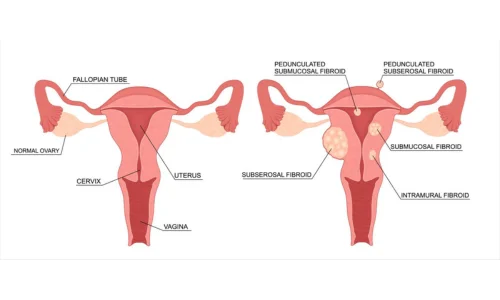
What Are Uterine Fibroids?
Uterine fibroids, also known as leiomyomas, are non-cancerous growths that develop in or on the muscular wall of the uterus. They vary in size, from tiny seedlings undetectable by the human eye to large masses that can distort the uterus. Fibroids are extremely common, affecting up to 70-80% of women by age 50, though many remain asymptomatic. These growths are influenced by hormones like estrogen and progesterone, which is why they often shrink after menopause. At Dr. Mansha Grover’s practice, we emphasize early detection through routine pelvic exams and ultrasounds to monitor their impact on women’s health.
Common Symptoms and Complications
Symptoms of fibroids depend on their location, size, and number. Many women experience heavy menstrual bleeding, prolonged periods, or spotting between cycles, leading to anemia and fatigue. Pelvic pain or pressure, frequent urination due to bladder compression, and lower back pain are also prevalent. In some cases, fibroids can cause infertility by blocking fallopian tubes or distorting the uterine cavity, or contribute to miscarriage risks. Larger fibroids may lead to bloating, constipation from bowel pressure, or pain during intercourse. It’s crucial to differentiate these from other conditions, and consulting a specialist like Dr. Mansha Grover ensures accurate diagnosis via imaging or MRI.
Treatment Options and Lifestyle Tips
Treatment is tailored to symptoms, age, and fertility desires. Watchful waiting suits asymptomatic cases, while medications like hormonal contraceptives or GnRH agonists can shrink fibroids temporarily and control bleeding. Minimally invasive procedures, such as uterine fibroid embolization (UFE) or MRI-guided focused ultrasound, target fibroids without major surgery. Myomectomy preserves the uterus for those planning pregnancy, whereas hysterectomy is a definitive option for severe cases. Lifestyle changes, including a diet rich in fruits, vegetables, and low-fat dairy, maintaining a healthy weight, and regular exercise, can help manage symptoms and potentially slow growth. At our Noida clinic, Dr. Mansha Grover offers personalized, evidence-based care to improve quality of life.