Overview of PCOD
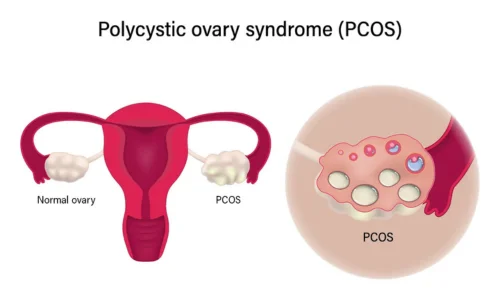
Polycystic Ovarian Disease (PCOD), also known as PCOS, is a common hormonal disorder affecting reproductive-aged women. It involves irregular ovulation, elevated androgens, and often ovarian cysts. Symptoms can impact fertility, metabolism, and self-esteem, but timely management leads to excellent outcomes.
Key Symptoms and Causes
Typical signs include irregular or absent periods, excess hair growth (hirsutism), acne, weight gain, and thinning scalp hair. Insulin resistance plays a central role, exacerbating hormonal imbalances. Genetic factors, lifestyle, and inflammation contribute, increasing risks for diabetes and heart disease.
Comprehensive Diagnosis
Evaluation includes symptom review, blood tests for hormones/insulin, and ultrasound to detect cysts. We rule out similar conditions like thyroid issues. Early diagnosis prevents long-term complications.
Effective Management Strategies
Lifestyle modifications—nutritious diet, regular exercise, and weight management—are foundational, improving ovulation in many cases. Medications like metformin address insulin resistance; hormonal contraceptives regulate cycles and reduce androgens. For fertility goals, ovulation induction with clomiphene or letrozole is effective. Advanced options include IVF if needed.
Empowering Long-Term Health
Regular monitoring tracks metabolic health. With proactive care, women with PCOD lead fulfilling lives, achieving pregnancy and reducing risks. Our approach combines medical expertise with supportive counseling for optimal results.